

Food Additives Raw Materials
Your Professional Food Additives Raw Materials Supplier
Henan Bangma Biotechnology Co., Ltd. is a professional manufacturer and supplier of pharmaceutical APIs, intermediates, cosmetics, and food additives. Our products are widely applied in male health, female weight loss, and food industries, serving clients across Asia, Europe, and the Americas.
Integrated R&D & Production
Advanced labs and automated production lines ensure consistent quality and innovation.
Strict Quality Control
Comprehensive testing and traceability guarantee product safety and reliability.
Global Supply Network
Stable raw material sourcing and logistics support timely international delivery.
Professional Team
Experienced staff provide technical support and customized solutions for diverse client needs.


Specification
|
Melting Point |
192-195℃ |
|
Density |
1.441 g/cm³ |
|
Appearance |
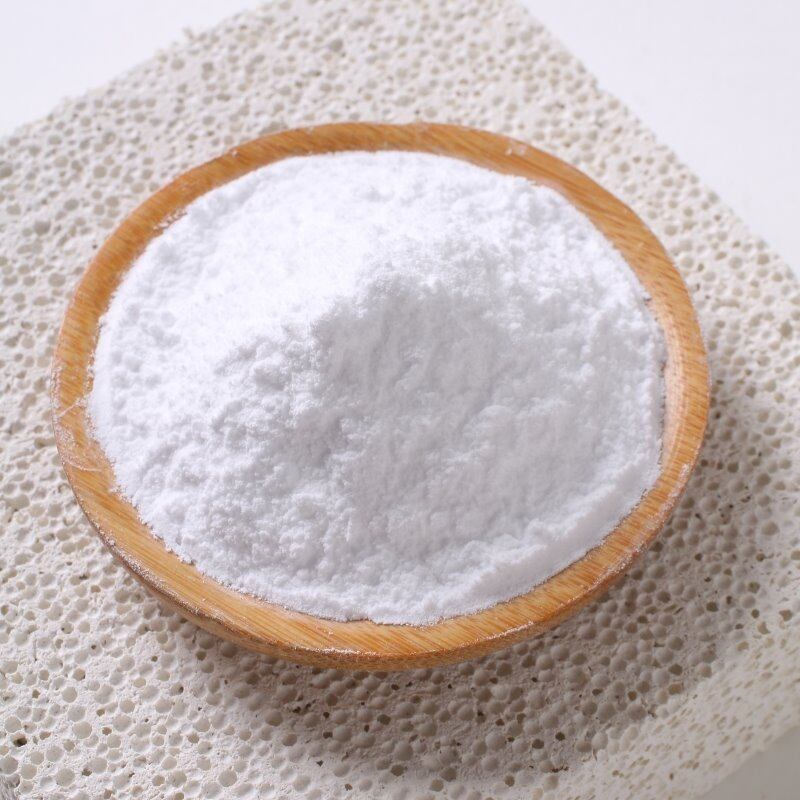
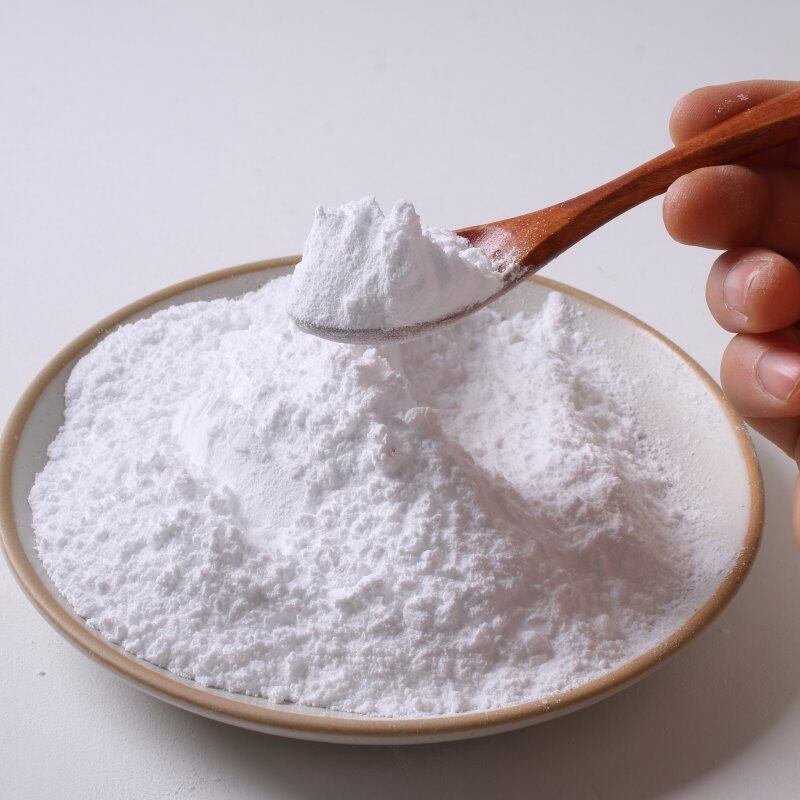
White powder |
|
Purity |
99% |
|
Detection Method |
High Performance Electron Chromatography (HPLC) |
|
Standard |
USP (United States Patent and Trademark Office) |
Advantages of Food Additives Raw Materials
Extending Shelf Life
One of the best food additive advantages is prolonging the shelf life of food products. Preservatives such as sodium benzoate prevent spoilage caused by bacteria, mould, or yeast. This not only keeps food safe to eat for longer but also helps reduce food waste.
Maintaining Freshness
Antioxidants, another type of additive, prevent food from deteriorating when exposed to oxygen. Foods like oils, nuts, and processed meats benefit greatly from antioxidants, which stop them from turning rancid.
Improving Flavour
Taste is a crucial part of our eating experience, and additives like flavour enhancers amplify the natural flavours of food.
Enhancing Texture
Food additives such as emulsifiers, stabilisers, and thickeners ensure food has the right consistency. Without these additives, ice cream might crystallise, mayonnaise might separate, and sauces could become runny.
Adding Visual Appeal
Colouring agents make food more attractive and appetising. For example, turmeric or annatto is added to cheese to give it a rich yellow colour, while synthetic dyes are used in confectionery to make them vibrant and fun.
Supporting Nutritional Needs
Many food grade additives are used to fortify foods with essential nutrients. Breakfast cereals enriched with iron, milk fortified with vitamin D, and salt supplemented with iodine are excellent examples.
Catering to Special Dietary Needs
Food grade additives allow manufacturers to create products suitable for individuals with specific dietary requirements. Low-calorie sweeteners, gluten-free thickeners, and plant-based emulsifiers cater to people managing conditions like diabetes, coeliac disease, or lactose intolerance.
Ensuring Consistency Across Batches
Stabilising agents, acidity regulators, and anti-caking agents ensure that each batch of food maintains the same flavour, texture, and quality, no matter where or when it is produced.
Improving Processing Efficiency
Additives also make food processing more efficient. Anti-foaming agents, for example, prevent excessive foam formation during production, while emulsifiers ensure that oils and water mix properly in products like margarine and salad dressings.
Reducing Food Waste
By keeping food fresh for longer and preventing spoilage, food grade additives play a direct role in reducing food waste. This is particularly important in regions where food insecurity is a concern.
The food additives being used should present no risk to the health of the consumer at the levels of use.
The use of food additives is justified only when such use has an advantage, does not present a hazard to health of and does not deceive the consumer, as well as serves one or more of the following technological functions and needs, and only where these objectives cannot be achieved by other means which are economically and technologically practicable –
• To preserve the nutritional quality of the food;
• To provide necessary constituents for foods manufactured for groups of consumers having special dietary needs;
• To enhance the keeping quality or stability of a food or to improve its organoleptic properties;
• To provide aids in the processing, packaging, transport or storage of food, provided that the additive is not used to disguise the effects of the use of faulty raw materials or of undesirable (including unhygienic) practices of techniques during the course of any of these activities.
All food additives shall be used under conditions of good manufacturing practice (GMP) which include the following –
• The quantity of the additive added to food shall be limited to the lowest possible level necessary to accomplish its desired effect;
• The quantity of the additive that becomes a component of food as a result of its use in the manufacturing, processing or packaging of a food and which is not intended to accomplish any physical, or ther technical effect in the food itself, is reduced to the extent reasonably possible.
• The additive is prepared and handled in the same way as a food ingredient.
Precautions for Storing Food Additive Raw Materials
Specialized person custody
Food additives should be kept by a dedicated person to ensure their safety and management standards.
Specialized storage place
Food additives should be stored in a special storage place or cabinet, separated from food raw materials to prevent cross contamination.
Labeling and recording
The stored food additives should be marked with the words "food additives" and the name of the food additive should be marked on the container.
Packaging integrity
Food additives should retain their original packaging to avoid confusion or misuse during use.
Safety measures
Toxic and harmful food additives such as nitrites should be locked for storage to ensure safety.
Regular inspection
Regularly check the shelf life and storage conditions of food additives to ensure that they are not expired or deteriorated.
• Determine the raw material, formula, dosage form, bulk quantity, and packing method
• We will send samples to customers
• The customer confirms that the sample is qualified
• Customers prepay the deposit
• We arrange production
• After the production, we will confirm the packaging with the customer again.
• Arrange shipment
• Give the customer a copy of the bill of lading
• The customer pays the final payment
• The customer confirms receipt of goods
• Feedback from customers to our company, we make better service to customer
Packaging and Shipping
|
Packaging |
Small Orders (≤1kg): Sealed aluminum foil bags. Bulk Orders (>1kg): Food-grade PE bags inside cardboard drums or fiber drums. |
|
Shipping |
DHL, FedEx, UPS, EMS, Air Freight |
Our Services
Pre-Sale Service
• Technical Consultation: A professional team provides product parameters, application schemes and compliance guidance to answer R&D and production questions.
• Sample Support: Free 10–50g samples are provided (freight collect) for customers to test and pilot.
• Qualification Review: Provide COA, MSDS, GMP certificate, export qualifications and other documents in advance to assist customers in completing qualification verification.
In-Sale Service
• Order Tracking: Real-time synchronization of production progress, shipping status and logistics information, customers can query at any time.
• Quality Communication: Re-inspection and confirmation before shipment of each batch, timely feedback of test results to ensure product quality.
• Customization Cooperation: Adjust purity, packaging and documents according to customer needs to meet personalized order requirements.
Post-Sale Service
• Quality Guarantee: If there is any quality objection within 7 days after the product arrives, free return and exchange are available, and the freight is borne by us.
• Technical Support: Provide follow-up technical guidance such as formula optimization, process adaptation and compliance declaration.
• Long-Term Cooperation: Establish customer files, provide priority supply, preferential prices and exclusive services to ensure stable long-term cooperation.
FAQ
We're well-known as one of the leading food additives raw materials manufacturers and suppliers in China. With a professional production team, we are able to meet the needs of the majority of our customers. Please feel free to buy bulk customized food additives raw materials from our factory.