

Glutathione: CAS No. 70-18-8 1. Used for various liver diseases, especially alcoholic liver disease and drug-induced liver disease (including those caused by anticancer drugs, antituberculosis drugs, psychotropic drugs, antidepressants, acetaminophen, and traditional Chinese medicine, etc.). It also improves symptoms and signs and restores liver function in chronic active forms of infectious liver diseases-hepatitis B and hepatitis C.
Used for the treatment of heavy metal and organic solvent poisoning.
Prevention and treatment of radiation damage, leukopenia, and radiation-induced bone marrow inflammation.
Used for facial pigmentation, tinea versicolor, and pigmentation caused by various reasons.
Eye drops used for early-stage senile cataracts, and also for corneal ulcers, corneal epithelial detachment, keratitis, etc.
Dosage and Administration
The usual adult dose is 400mg (4 tablets) orally three times daily. Treatment course is 12 weeks. Glutathione is a tripeptide composed of glutamic acid, cysteine, and glycine. It is the coenzyme of glyceraldehyde dehydrogenase and also a coenzyme for glyoxalase and triose phosphate dehydrogenase, participating in the tricarboxylic acid cycle and carbohydrate metabolism to provide the body with high energy. Glutathione can activate various enzymes, such as sulfhydryl (-SH) enzymes and coenzymes, thereby promoting the metabolism of carbohydrates, fats, and proteins. It can also affect cellular metabolic processes, making it an important intracellular regulatory metabolic substance. Furthermore, glutathione exists in the body in two forms: reduced glutathione (GSH) and oxidized glutathione (GSSG). Its active component is reduced glutathione, which participates in redox processes in the body. Under the action of glutathione transferase, reduced glutathione can combine with peroxides and free radicals to counteract the damage of sulfhydryl groups by oxidants, protecting sulfhydryl-containing proteins and enzymes in cell membranes from damage, and also combating free radical damage to vital organs. Glutathione is widely found in animal and plant cells, with higher concentrations in the liver and lens. It can now be produced through chemical synthesis or fermentation. Glutathione is a coenzyme for glyceraldehyde-3-phosphate dehydrogenase and also a coenzyme for glyoxalase and triose phosphate dehydrogenase, participating in the tricarboxylic acid cycle and carbohydrate metabolism to provide the body with high energy. It can activate and protect various enzymes, such as thiol (-SH) enzymes like cholinesterase, protecting the body from the toxicity of harmful substances such as iodoacetic acid, mustard gas, free radicals (such as superoxide anions), heavy metals (such as mercury and lead), and epoxides, thereby promoting the metabolism of carbohydrates, fats, and proteins, and also influencing cellular metabolic processes. It promotes the metabolism of eye tissues, inhibits the instability of thiol groups in lens proteins, and prevents the development of cataracts and retinal diseases, thus it can be used for keratitis, corneal trauma, etc. For these diseases, regular use of this type of antioxidant should begin before old age to play a preventive role. It also has a good effect on improving vision.
Product Specifications and Properties
- Chemical Formula: C10H17N3O6S
- Molecular Weight: 307.323
- Melting Point: 192-195℃
- Density: 1.441 g/cm³
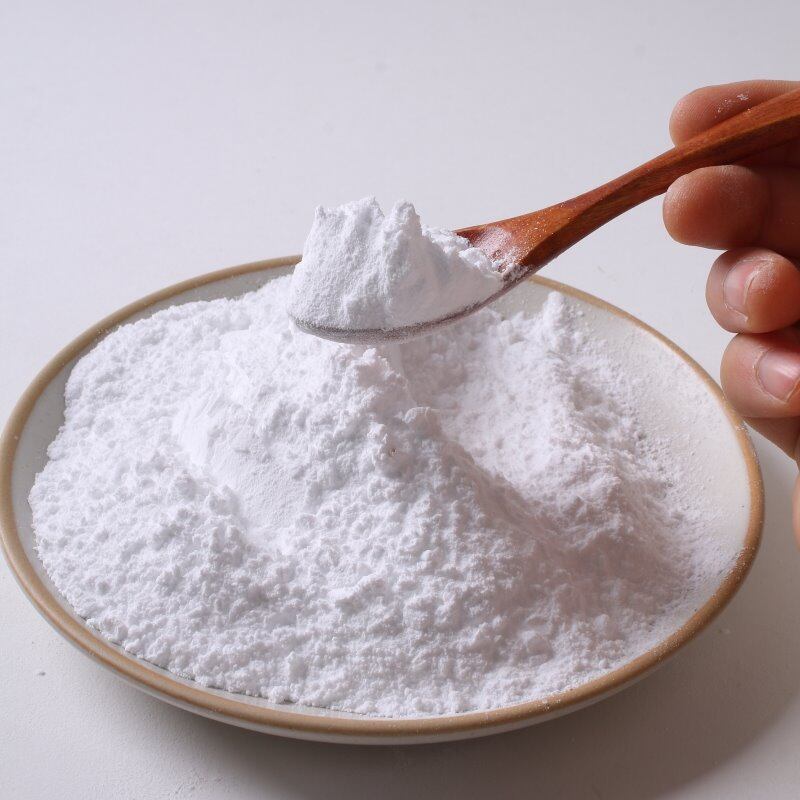
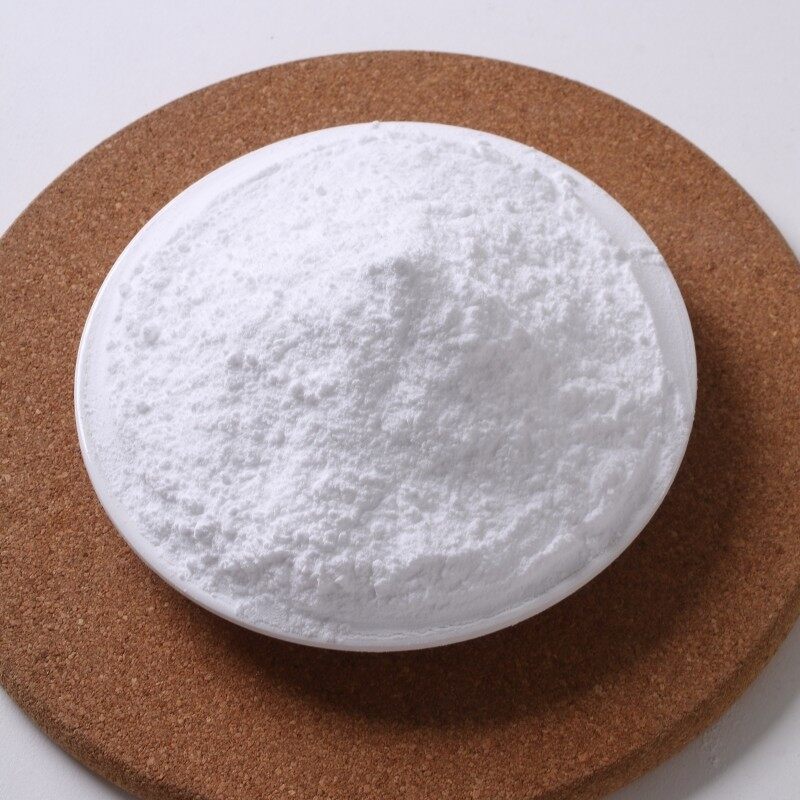
- Appearance: White powder
- Purity: 99%
- Detection Method: High Performance Electron Chromatography (HPLC)
- Standard: USP (United States Patent and Trademark Office)
Product Development and Application
Glutathione is a physiologically versatile factor. It is synthesized in the cytoplasm, primarily in the liver, and its metabolism is also mainly in the liver. It is widely distributed throughout various organs of the body, playing a crucial role in maintaining cellular biological functions. Animal pharmacological studies indicate that the peak blood concentration of reduced glutathione is reached 5 hours after intravenous injection. It can be detected in the liver, kidneys, and muscles 1 hour after injection, and small doses have been found in the brain. Its half-life is 24 hours. It is mainly excreted by the kidneys, cleared through both direct glomerular filtration and non-filtration mechanisms utilizing the γ-glutamyl transpeptidation reaction.
Why Choose us:
We provide first-hand sources; guaranteeing competitive prices and quality. After you place an order, we can arrange shipment on the same day, ensuring product quality and stable delivery, allowing us to achieve a win-win partnership.


