

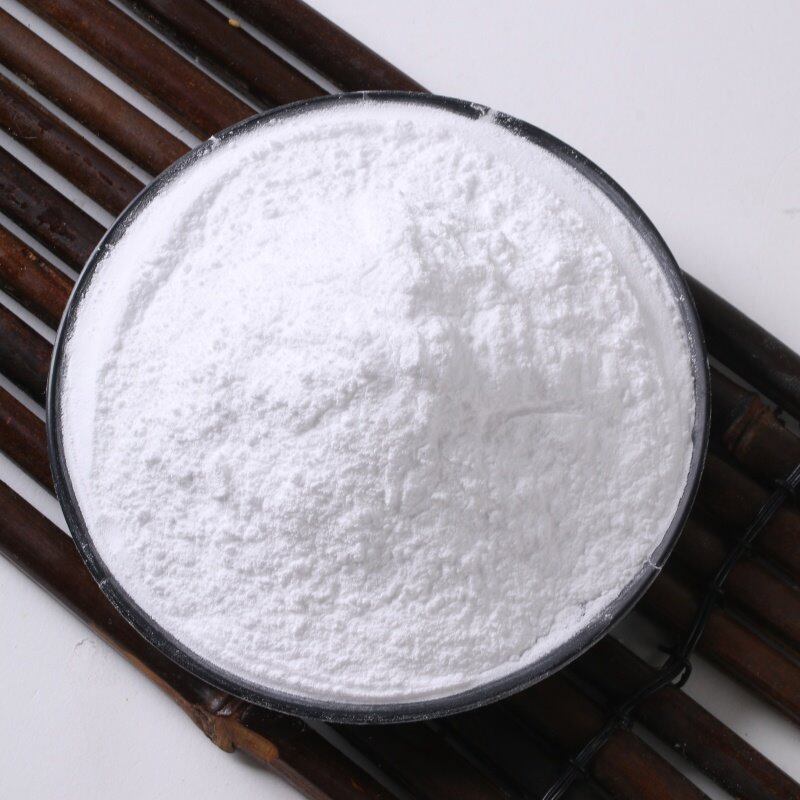
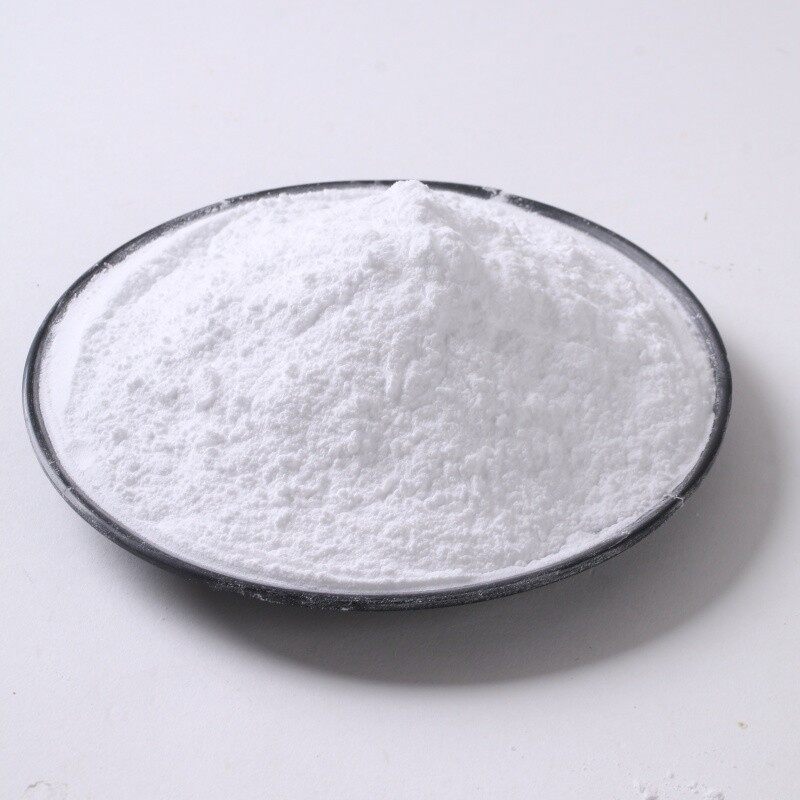
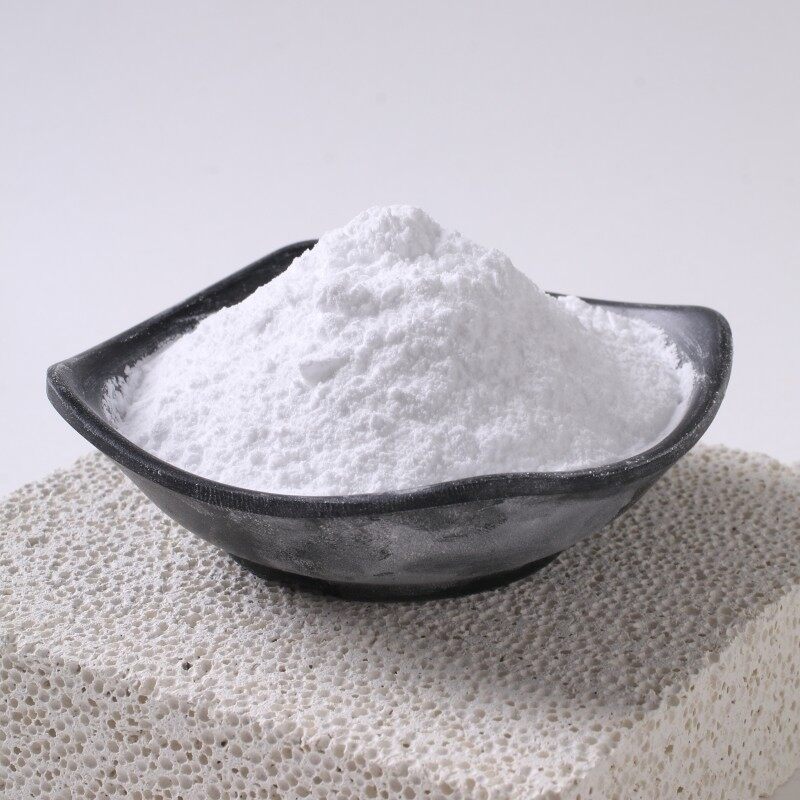
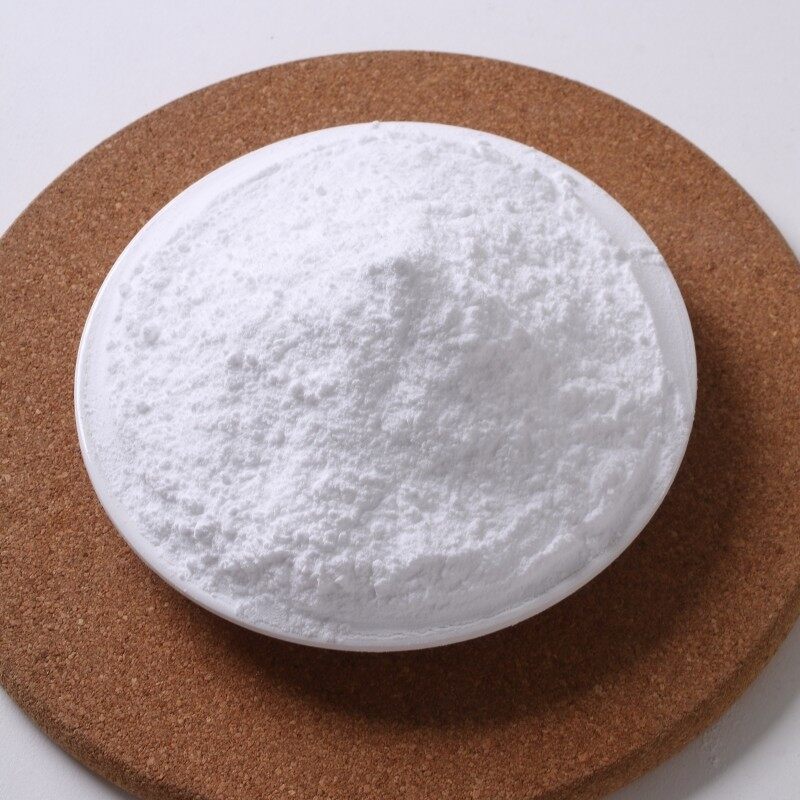
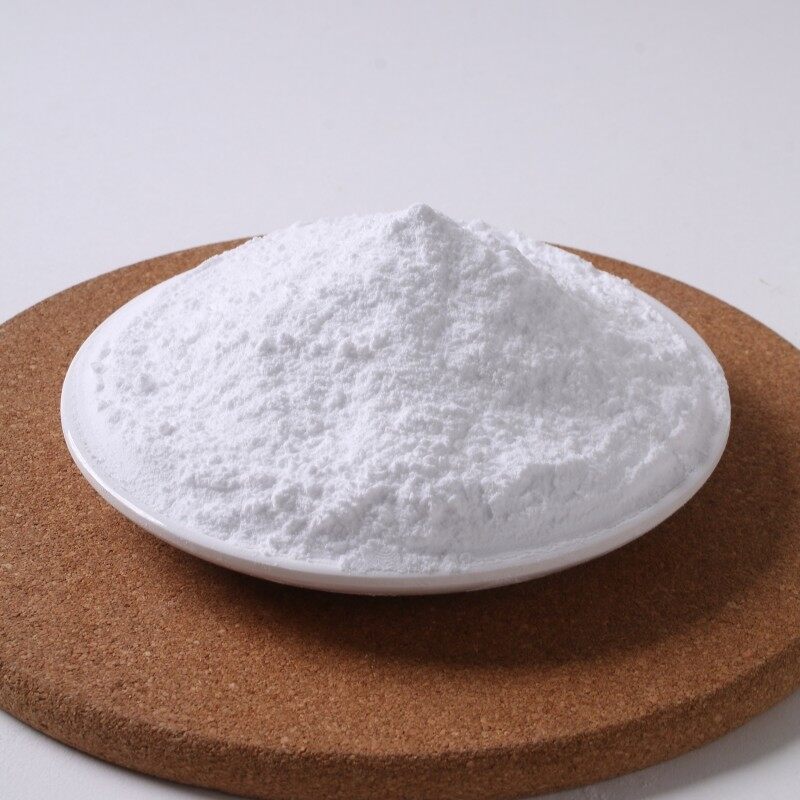
Theophylline (CAS No. 58-55-9) is an organic compound with the chemical formula C7H8N4O2. It reduces smooth muscle tone and dilates the airways; it promotes the release of endogenous adrenaline and noradrenaline, relaxing airway smooth muscle; and it inhibits the release of calcium ions from the endoplasmic reticulum of smooth muscle, reducing intracellular calcium ion concentration and thus producing an airway dilation effect. Theophylline has a strong relaxant effect on smooth muscle, but it is less potent than β-receptor agonists.
Indications
1. Used for bronchial asthma, acute bronchitis, asthmatic bronchitis, obstructive emphysema, etc., to relieve wheezing symptoms. It is also suitable for symptoms of bronchospasm associated with chronic bronchitis and emphysema.
2. Can be used for patients with cardiac asthma, cardiac edema, and acute heart failure.
3. Can also be used for patients with biliary colic.
Dosage and Administration
Oral: 0.1–0.2 g/dose, twice daily; maximum dose: 0.3 g/dose, 1 g/day.
Controlled-release tablets: 400 mg/dose, once daily.
Product Specifications and Properties
- Chemical Formula: C7H8N4O2
- Molecular Weight: 180.164
- Boiling Point: 454.1 ℃
- Density: 1.465 g/cm³
- Purity: 99%
- Appearance: White powder
- Detection Method: High Performance Microspectroscopy (HPLC)
- Standard: USP (United States Patent and Trademark Office)
Product Development and Application
Dosage and Administration:
Oral: 0.1–0.2 g/dose, twice daily; maximum dose: 0.3 g/dose, 1 g/day.
Controlled-release tablets: 400 mg/dose, once daily.
Adverse Reactions
1. Oral administration may cause heartburn, nausea, vomiting, arrhythmia, loss of appetite, abdominal distension, and elevated serum uric acid levels. Long-term use may cause headache, insomnia, and palpitations.
2. Highly irritating to the local area. Intramuscular injection may cause local pain, redness, and swelling. Therapeutic doses may cause insomnia or restlessness.
Precautions
It is advisable to take it after meals to reduce gastrointestinal irritation. Smoking, chronic alcohol poisoning, and induction of hepatic drug-metabolizing enzymes can all lower theophylline plasma concentrations, requiring an appropriate increase in theophylline dosage. Theophylline can cause arrhythmias and worsen existing arrhythmias; any changes in heart rate or rhythm should be closely monitored. Rapid intravenous injection of theophylline or a theophylline plasma concentration exceeding 20 μg/mL may cause toxic reactions, manifesting as arrhythmias, tachycardia, muscle tremors, seizures, transient hypotension, or peripheral circulatory failure. When theophylline concentration exceeds 40 μg/mL, fever, dehydration, and convulsions may occur. In severe cases, it can lead to respiratory and cardiac arrest and death. Pre-administration of sedatives can effectively prevent this.
Why Choose us:
We provide first-hand sources; guaranteeing competitive prices and quality. We can arrange same-day shipment after you place an order, ensuring product quality and stable delivery, allowing us to achieve a win-win partnership.


