

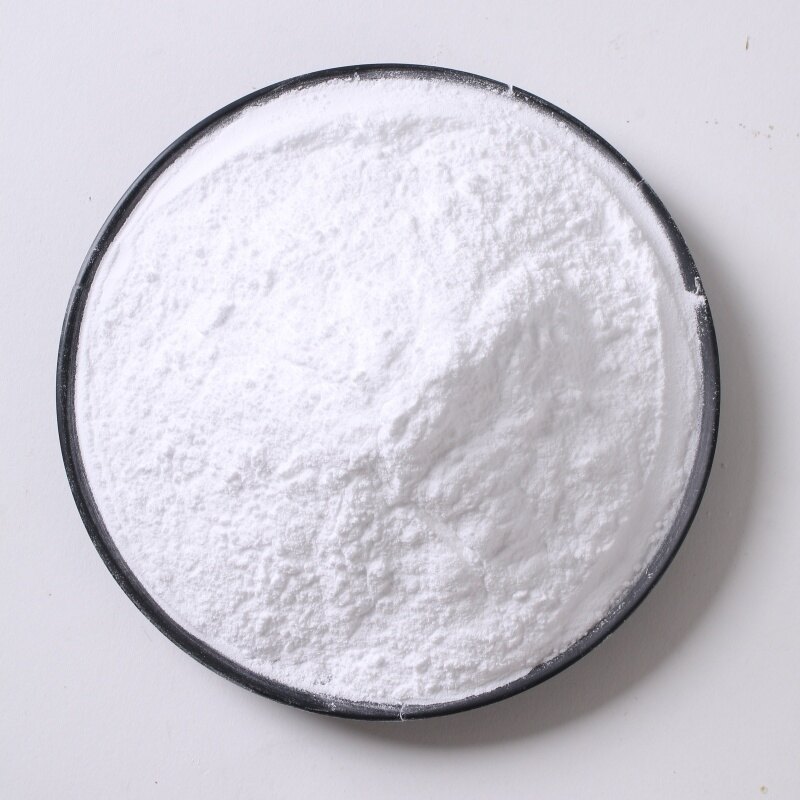
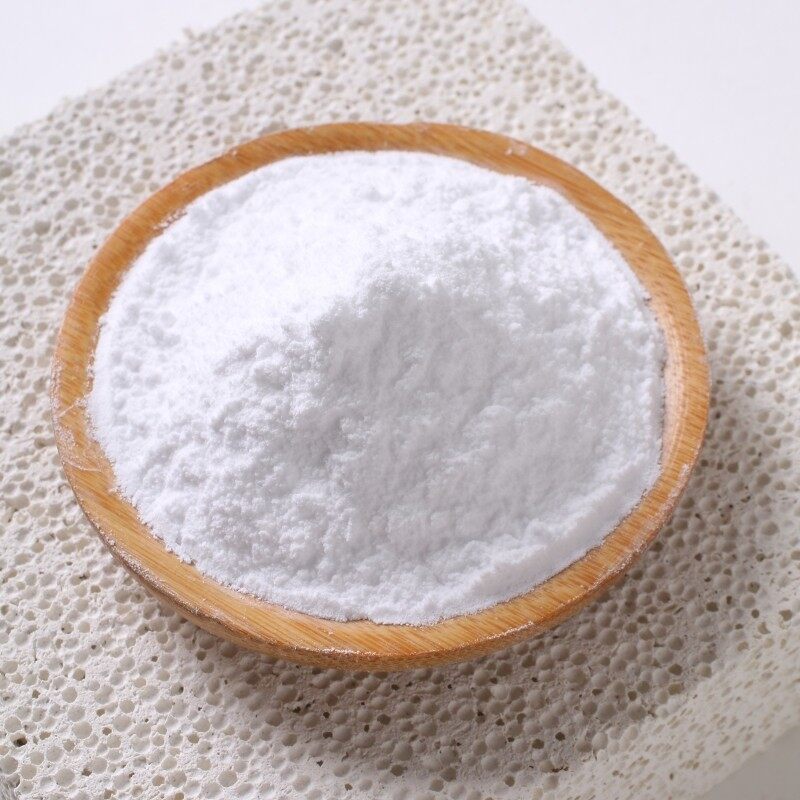
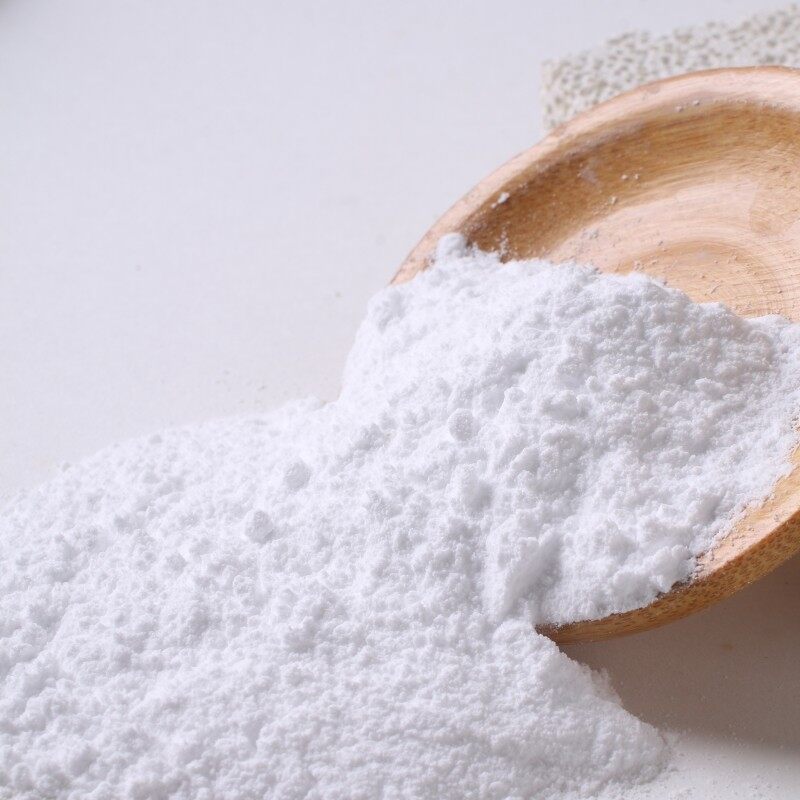
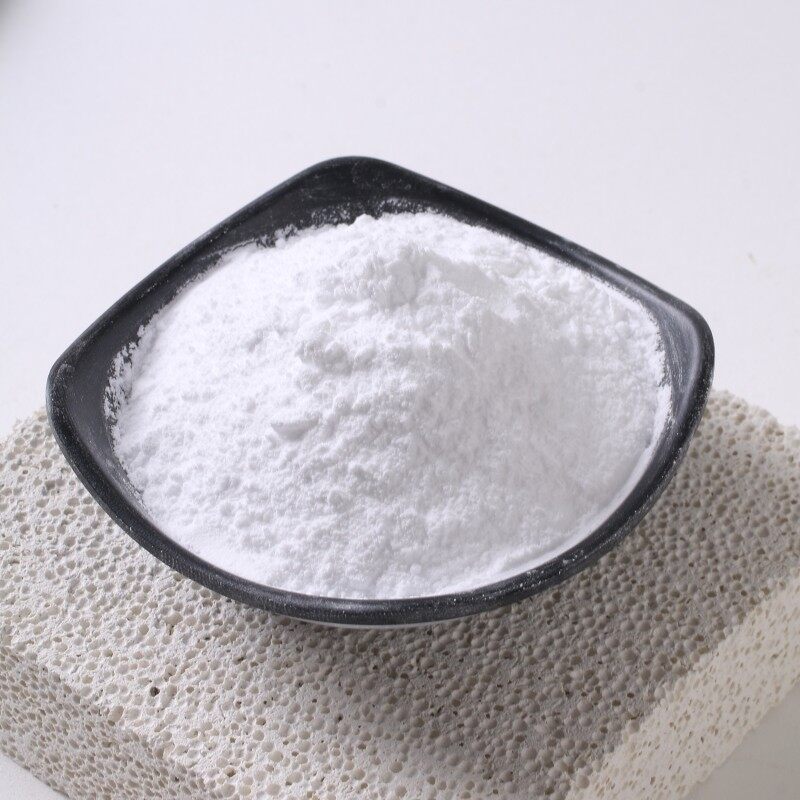
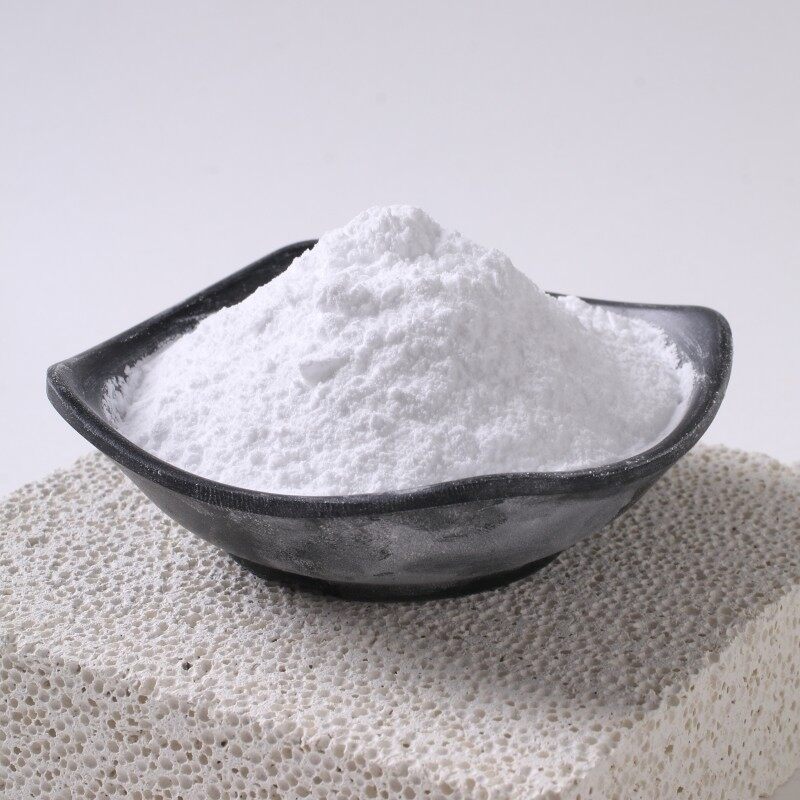
L-carnitine CAS No. 541-15-1 L-carnitine (L-carnitine), also known as L-carnitine or vitamin BT, has the chemical formula C7H15NO3 and the chemical name (R)-3-carboxy-2-hydroxy-N,N,N-trimethylpropylammonium hydroxide inner salt. The representative drug is levocarnitine. It is an amino acid-like substance that promotes the conversion of fat into energy. The pure product is a white crystal or a white transparent fine powder. It is very soluble in water, ethanol, and methanol, slightly soluble in acetone, and insoluble in ether, benzene, chloroform, and ethyl acetate. L-carnitine is very hygroscopic and has good water solubility and water absorption. It can withstand high temperatures above 200℃. It has no toxic side effects on the human body. Red meat is the main source of L-carnitine, and the human body can also synthesize it to meet physiological needs. It is not a vitamin in the true sense, but a substance similar to a vitamin . L-carnitine has multiple physiological functions, including fat oxidation and decomposition, weight loss, and anti-fatigue. As a food additive, it is widely used in infant food, weight loss food, sports food, nutritional supplements for the elderly, nutritional fortifiers for vegetarians, and animal feed additives.
Usage and Dosage
L-carnitine is widely found in nature, with high carnitine content in muscle tissue. Animal experiments have found that the adrenal gland has the highest concentration of L-carnitine, followed by the heart, bones, muscles, adipose tissue, and liver. Free L-carnitine is excreted in urine. The human body requires carnitine through dietary intake and/or endogenous synthesis. The human liver and kidneys can synthesize carnitine from lysine and methionine, while requiring the assistance of vitamin C, niacin, vitamin B6, and iron. Vitamin C is essential for the biosynthesis of carnitine, and among all nutritional cofactors, vitamin C has the greatest impact on the rate of carnitine biosynthesis. Experiments have shown that the rate of carnitine biosynthesis in the kidneys of vitamin-deficient guinea pigs is reduced by 8 to 10 times, and the heart and skeletal muscles are particularly sensitive to this. The concentration of carnitine in the above tissues of animals lacking vitamin C is reduced by 50%. Iron is also required in reactions that require vitamin C. Iron deficiency in pregnant rat pups significantly reduced carnitine concentrations in their liver and heart tissues.
Product Specifications and Properties
- Chemical Formula: C7H15NO3;
- Molecular Weight: 161.20;
- CAS Registry Number: 541-15-1;
- Appearance: White crystals or crystalline powder;
- Boiling Point: 287.5 ℃;
- Purity: 99%;
- Detection Method: High-Performance Computing Spectroscopy;
- Standard: USP (USA)
Product Development and Application
L-carnitine can promote the activity of pyruvate dehydrogenase in cells, thereby promoting glucose oxidation and helping to delay the onset of fatigue during exercise. Excessive lactic acid production during exercise increases the acidity of blood and tissue fluid, reduces ATP production, and leads to fatigue. Supplementing with L-carnitine can clear excess lactic acid, improve athletic performance, and promote recovery from exercise-induced fatigue.
Furthermore, it can act as a biological antioxidant to scavenge free radicals and promote urea cycling. Ammonia is a product of protein degradation and is also one of the identifying markers of exercise-induced fatigue; even low ammonia levels can have significant toxicity. L-carnitine can degrade ammonia into urea, thus detoxifying ammonia.
L-carnitine protects cell membrane stability, enhances the body's immunity, and helps prevent certain diseases, playing a role in the prevention and treatment of sub-health conditions.
Energy is the greatest anti-aging force; cells are vibrant when they have sufficient energy. The weakening of cellular energy during the aging process is one of the reasons for accelerated aging; appropriate supplementation with L-carnitine can slow down the aging process
.
L-carnitine plays a role in maintaining infant life and promoting certain physiological processes in infant development, such as ketosis and ammonia metabolism. Adults can synthesize the L-carnitine concentration needed to maintain normal metabolism, but infants have a weaker L-carnitine synthesis capacity, only 12-15% of that of adults, especially premature infants. L-carnitine is a conditionally essential nutrient for infants, playing a crucial role in the metabolism of fat as an energy source.
Why Choose us
We provide first-hand sources; guaranteeing competitive prices and quality. We can arrange shipment on the same day after an order is placed, ensuring product quality and stable delivery, allowing for a win-win cooperation.


